How to Prevent Frozen Pipes in Your HVAC System This Winter
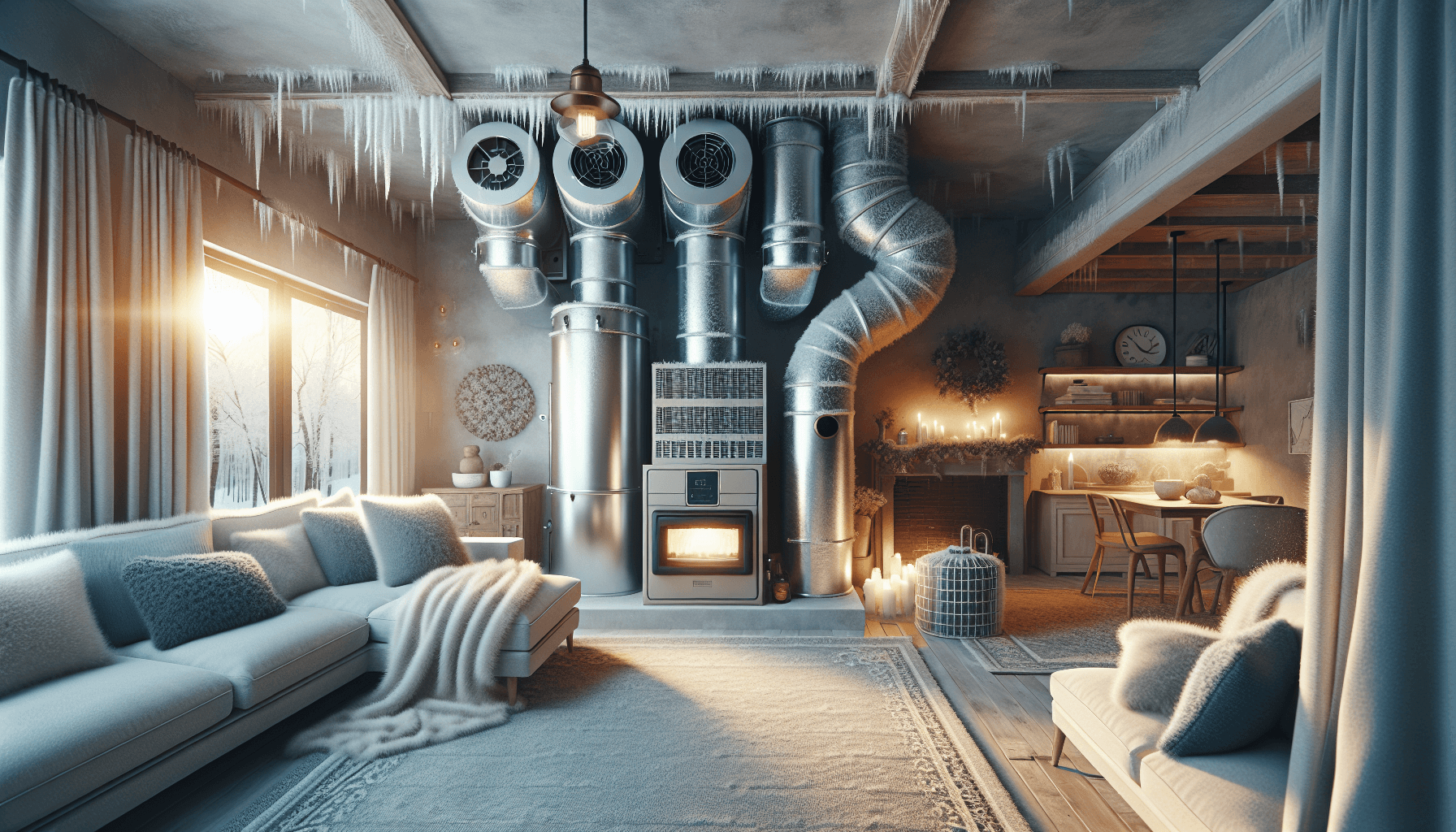
How to Prevent Frozen Pipes in Your HVAC System This Winter
When temperatures drop in North Georgia, frozen pipes become a serious concern for homeowners. While we don't experience the extreme cold of northern states, our winters in Dawsonville, Cumming, Gainesville, Dahlonega, and Alpharetta can still cause significant damage to your HVAC system's plumbing components.
Frozen pipes can lead to burst pipes, water damage, and expensive repairs. The good news is that with proper preparation and maintenance, you can protect your home and HVAC system from winter's harsh effects.
Understanding Your HVAC System's Vulnerable Areas
Your HVAC system contains several water-carrying components that are susceptible to freezing. These include condensate drain lines, water supply lines to humidifiers, and pipes connected to boiler systems.
Condensate drain lines are particularly vulnerable because they carry moisture away from your air conditioning unit. During winter months, this moisture can freeze and cause blockages or pipe damage.
Essential Prevention Strategies
Insulate Exposed Pipes
The first line of defense against frozen pipes is proper insulation. Focus on pipes in unheated areas such as:
- Crawl spaces
- Attics
- Basements
- Exterior walls
- Garages
Use foam pipe insulation or heat tape for pipes in these vulnerable locations. Even a thin layer of insulation can make the difference between flowing water and a frozen pipe.
Maintain Consistent Indoor Temperatures
Keep your thermostat set to at least 55°F, even when you're away from home. This might seem wasteful, but the cost of heating is minimal compared to the expense of repairing burst pipes and water damage.
Avoid dramatic temperature fluctuations by maintaining steady heating throughout your home. This helps ensure that pipes in wall cavities and other hidden areas stay warm enough to prevent freezing.
Seal Air Leaks
Cold air drafts can cause pipes to freeze even in heated areas. Inspect your home for air leaks around:
- Windows and doors
- Electrical outlets
- Pipe penetrations through walls
- Foundation cracks
Use caulk, weatherstripping, or expanding foam to seal these openings. This not only protects your pipes but also improves your home's energy efficiency.
HVAC-Specific Protection Measures
Service Your Condensate Drain
Schedule professional maintenance to ensure your condensate drain line is clear and properly insulated. A clogged drain can cause water to back up and freeze, potentially damaging your HVAC unit.
Consider having a professional install a condensate drain pan heater if your system is particularly vulnerable to freezing.
Protect Outdoor HVAC Components
Your outdoor HVAC unit needs special attention during freezing weather. While the unit itself is designed to handle cold temperatures, the associated plumbing may not be.
Ensure that any water supply lines to outdoor units are properly insulated and consider shutting off water to these lines during extended cold periods.
Maintain Proper Airflow
Keep interior doors open to allow warm air to circulate throughout your home. This helps maintain consistent temperatures in areas where pipes might be located.
Don't block heating vents with furniture or curtains, as this can create cold spots where pipes are more likely to freeze.
Emergency Prevention During Cold Snaps
When temperatures are forecast to drop below freezing, take these immediate steps:
Let Faucets Drip
Allow faucets connected to vulnerable pipes to drip slightly. Moving water is much less likely to freeze than standing water. Focus on faucets along exterior walls or in unheated areas.
Open Cabinet Doors
Open kitchen and bathroom cabinet doors to allow warm air to reach pipes under sinks. This is especially important for cabinets along exterior walls.
Use Space Heaters Safely
If you have pipes in particularly cold areas, consider using a space heater to provide additional warmth. Always follow safety guidelines and never leave space heaters unattended.
Signs of Potential Freezing
Watch for these warning signs that indicate your pipes may be at risk:
- Reduced water flow from faucets
- Strange sounds from pipes (crackling or banging)
- Visible frost on exposed pipes
- Unusual odors from drains
- Higher than normal energy bills
If you notice any of these signs, take immediate action to prevent further problems.
When to Call a Professional
While many prevention measures can be handled by homeowners, some situations require professional expertise. Contact Duncan Heating and Air Services if:
- You discover frozen pipes in your HVAC system
- Your condensate drain is frozen or backing up
- You need professional insulation installation
- Your HVAC system isn't maintaining consistent temperatures
- You want a comprehensive winter preparation inspection
Long-Term Solutions
Consider these permanent improvements to protect your home:
- Upgrade insulation in vulnerable areas
- Install pipe heating cables in problem locations
- Relocate exposed pipes to heated areas
- Upgrade to a more efficient HVAC system with better freeze protection
Protecting Your Investment
Preventing frozen pipes is about more than avoiding inconvenience—it's about protecting your home and HVAC investment. The relatively small cost of prevention measures pales in comparison to the expense of repairing burst pipes, water damage, and HVAC system repairs.
By taking proactive steps and working with experienced professionals, you can enjoy peace of mind throughout North Georgia's winter months.
Get Professional Help When You Need It
Don't wait until you have a problem to think about pipe protection. The team at Duncan Heating and Air Services has been helping North Georgia families prepare their homes for winter weather for years. We understand the unique challenges our climate presents and can provide customized solutions for your home.
Contact Duncan Heating and Air Services today to schedule a winter preparation inspection. Our experienced technicians will identify vulnerable areas in your HVAC system and recommend the best protection strategies for your specific situation. Serving Dawsonville, Cumming, Gainesville, Dahlonega, and Alpharetta, we're here to keep your family comfortable all winter long.
Need Professional HVAC Service?
Don't wait for a breakdown. Contact Duncan Heating and Air Services today for expert HVAC maintenance, repair, and installation services.
Related Articles
How to Prepare Your Heating System for Cold Weather in North Georgia
Essential steps to winterize your heating system before cold weather hits. Learn maintenance tips, safety checks, and when to call professionals.
7 Common HVAC Myths Debunked: What North Georgia Homeowners Need to Know
Don't fall for these costly HVAC myths! Learn the truth about energy efficiency, maintenance, and system operation from North Georgia's trusted experts.

Furnace Not Working? Essential Heating Repair Steps for Homeowners
When your furnace fails, don't panic. Learn immediate troubleshooting steps, safety tips, and when to call professionals for heating repair in North Georgia.